

Oviraptor philoceratops
Oviraptor for kids
Oviraptor was a beaked, bird-like dinosaur from Mongolia with an old name that now feels unfair.
The essentials
What should you know about this dinosaur?
- Length: 2 m long
- Height: about 1 m tall
- Weight: about 20 kg
- Food: Omnivore
- Time: Cretaceous
- Region: Mongolia
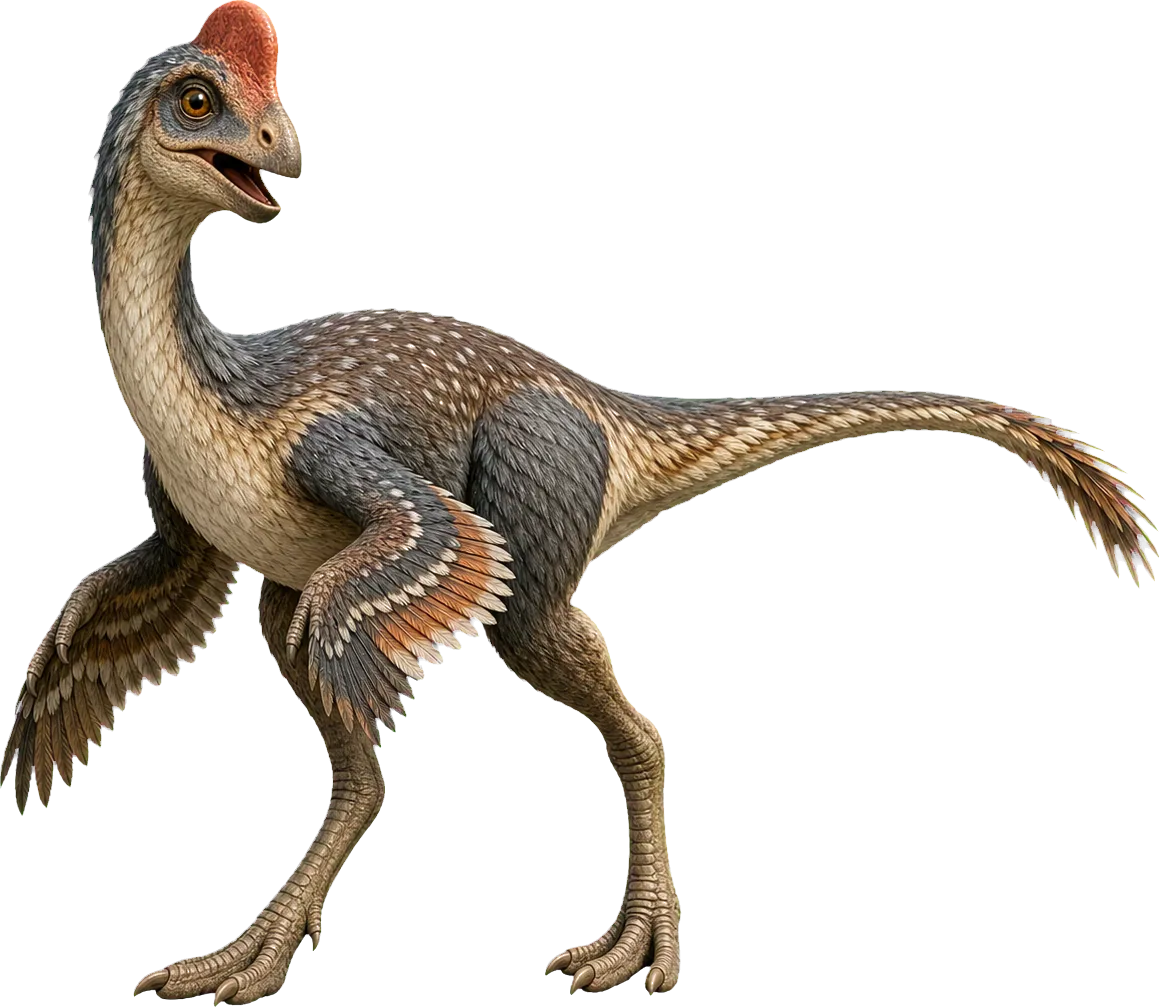
How large was Oviraptor
The height line shows the upright body. The tail lengthens the outline behind.
Compare in the toolLook a little closer
More about Oviraptor
Short chapters for curious children and grown-ups who want to read along.
Oviraptor
Oviraptor means egg thief. The name began because the first famous fossil was found near eggs. Later finds from its relatives made the situation much more interesting: some oviraptor-like dinosaurs sat over nests as if protecting or warming their eggs. Oviraptor was not simply a bad egg stealer. It was a strange beaked Cretaceous dinosaur from Mongolia, with a bird-like body, long legs, and a name that carries an old mistake.
Size
Oviraptor was about two meters long. Much smaller than T-Rex, but much larger than a chicken. The body was light, the legs were long, and a toothless beak sat at the front. Many relatives had feathers. Oviraptor feels like a dinosaur between pictures: still unmistakably a dinosaur, but full of bird-like details.
2 m long1 m talltoothless beak
Food
Oviraptor was an omnivore. Its beak could handle different foods: plant pieces, small animals, and eggs when available. The name alone is not proof of egg stealing. The skull had strong jaw areas, but no big saw teeth. That fits a flexible eater in the Gobi world, taking foods its beak could manage well.
omnivorebeakflexible food
Habitat
Oviraptor comes from Mongolia, from the Djadokhta Formation of the Late Cretaceous. Those Gobi landscapes preserved amazing fossils: dinosaurs, eggs, nests, and delicate bones. Sand could cover animals quickly and hold special moments. Oviraptor brings nests to mind because of that: not as a thief tale, but as a real Cretaceous scene.
MongoliaDjadokhta FormationGobi
Protection
Oviraptor had no armor and no big horns. Protection came from movement, beak, and awareness. Long legs helped with running, the arms could work close to the body, and feathers in relatives show how bird-like this group was. Around larger predators, Oviraptor was no powerhouse. It was more like a quick, clever searcher.
no armorlong legsbird-like
Movement
Oviraptor walked on two legs. The tail helped with balance, while the neck carried the beaked head forward. With a light body, it could move among dunes, nest spots, and plant patches. Its arms were not tiny; in relatives, nest fossils show arms spread around eggs. So the whole group feels close to bird behavior.
two-leggedbalancing tailnimble
Did you know?
Oviraptor is a perfect example of a dinosaur name that does not tell the whole truth. Egg thief sounds final, but fossils from the family show careful nest postures. That twist is wonderful: the supposed thief becomes an animal where eggs, nests, and body position say much more than the old name.
egg-thief namenest fossilsold mistake
about 1 m tall
Beside a child, Oviraptor reaches around hip to chest height, depending on the pose. It looks light and long-legged. The beak is the key detail: not a tooth monster, but a quick Cretaceous searcher.
Keep reading
Related dinosaurs
Cretaceous
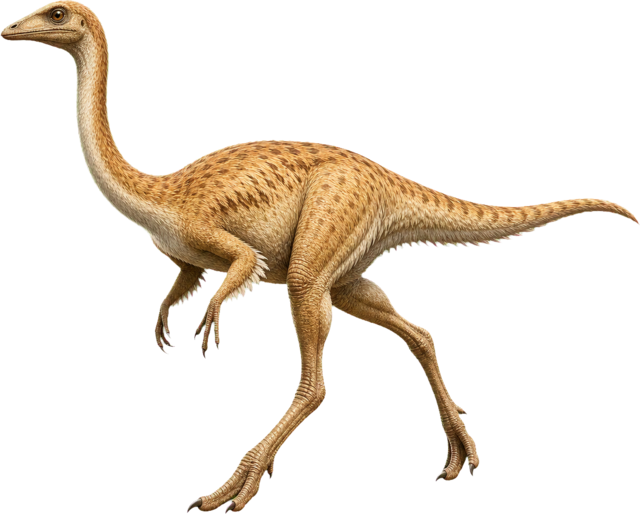
Gallimimus
Gallimimus was a large ornithomimosaur with a toothless beak, long legs, and long arms.
Read about this dinosaur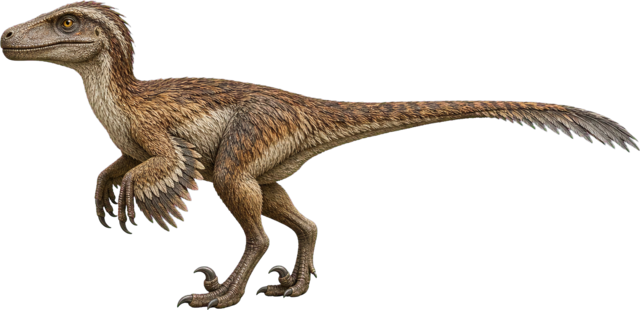
Cretaceous
Velociraptor
Velociraptor was a small feathered predator from Mongolia, with a sickle claw and long tail.
Read about this dinosaur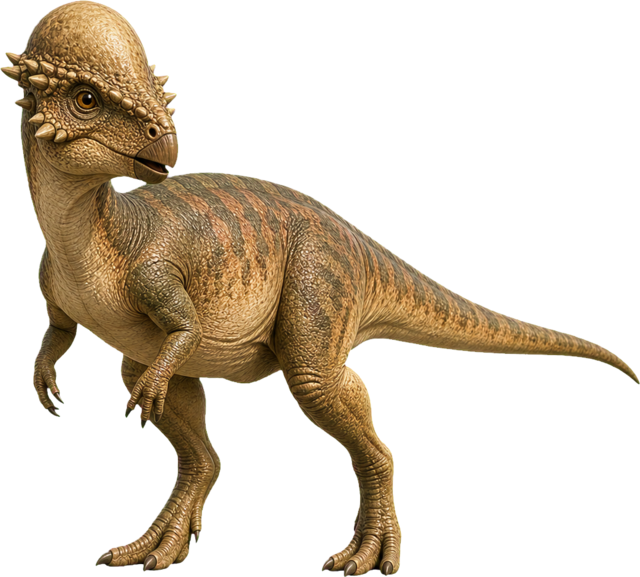
Cretaceous
Pachycephalosaurus
Pachycephalosaurus was a two-legged plant eater with a thick bony dome on its skull.
Read about this dinosaur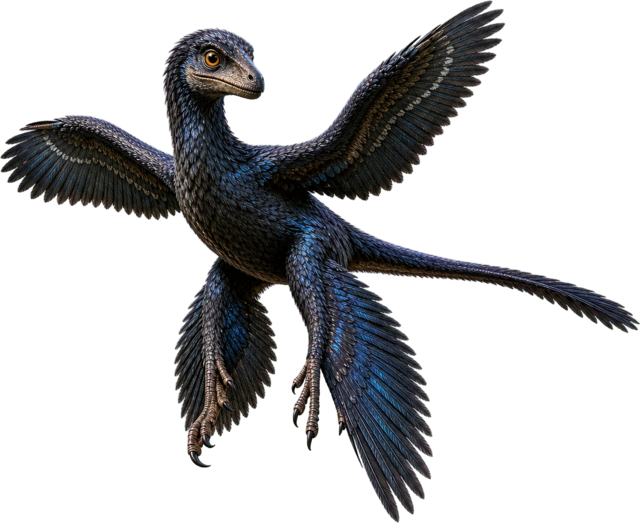
Cretaceous
Microraptor
Microraptor was a small feathered dinosaur with long feathers on both arms and legs.
Read about this dinosaurSources and review
How this page is checked
Names, periods, locations, diets, and size estimates are compared with museum and paleontology reference collections. Estimates are rounded and updated when the underlying content changes.
Last content review: June 22, 2026
Read our research method and sources