

Pachycephalosaurus wyomingensis
Pachycephalosaurus for kids
Pachycephalosaurus was a two-legged plant eater with a thick bony dome on its skull.
The essentials
What should you know about this dinosaur?
- Length: 3 m long
- Height: about 1.5 m tall
- Weight: about 450 kg
- Food: Plant eater
- Time: Cretaceous
- Region: North America
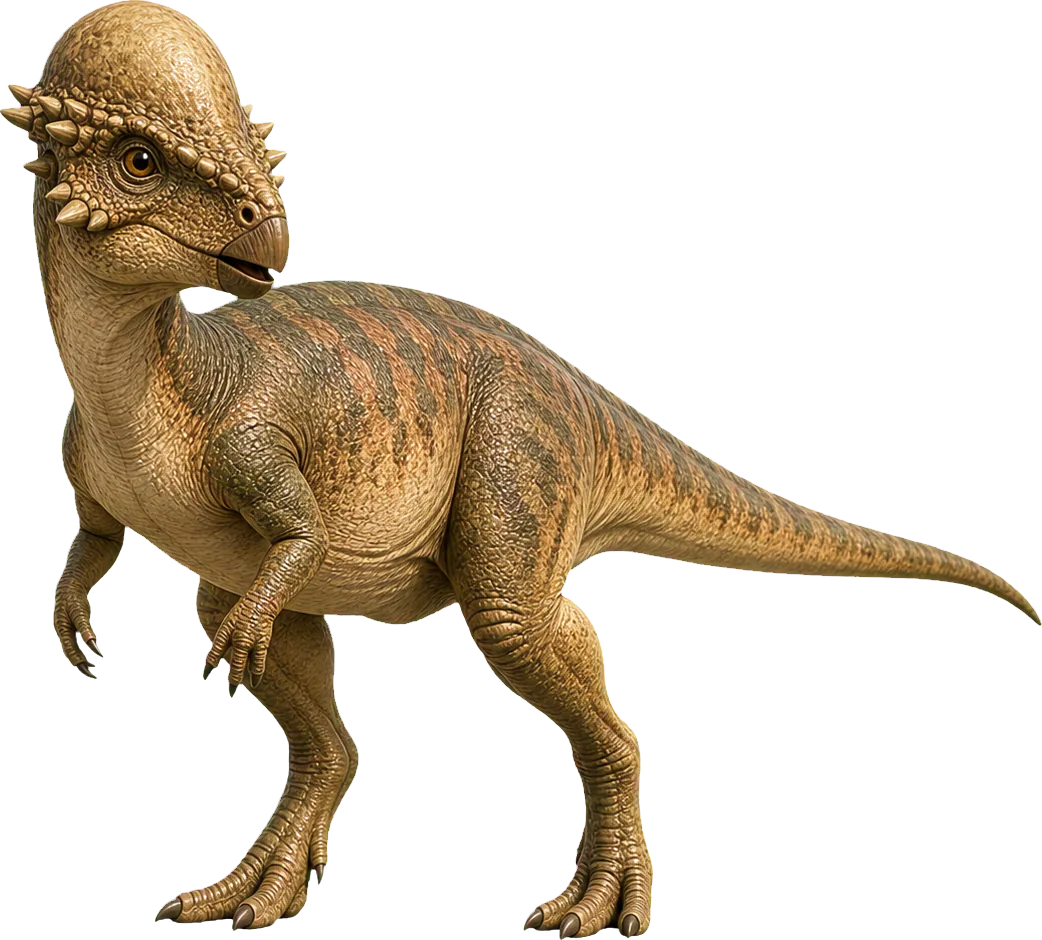
How large was Pachycephalosaurus
The height line shows body and dome head. Full length runs from beak to tail tip.
Compare in the toolLook a little closer
More about Pachycephalosaurus
Short chapters for curious children and grown-ups who want to read along.
Pachycephalosaurus
Pachycephalosaurus has a tongue-twister name and a head like a fossil helmet. A thick bony dome sat on top of the skull, surrounded by little bumps and spikes. It lived at the end of the Cretaceous in North America, in the same broad world as Triceratops and T-Rex. The dome is real, while its exact use remains a great bone puzzle. One thing is clear: this dinosaur carried its main clue right on the forehead.
Size
Pachycephalosaurus was about three meters long. It was not tiny, but it was no Triceratops-sized giant either. The body ran on two legs, the tail helped with balance, and the head carried the thick dome. That one skull part makes it stand out instantly. You do not spot it by length or weight first; you spot the bony hill on the head.
3 m long1.5 m tallthick dome
Food
Pachycephalosaurus ate mostly plants. A beak-like front helped bite food, and the teeth could work plant material. Some relatives show hints of varied feeding, but this dinosaur reads mainly as a small-to-medium plant eater. In a Hell Creek landscape full of larger animals, ground-level food made plenty of sense.
plant eaterbeakHell Creek food
Habitat
Pachycephalosaurus lived in North America at the very end of the Cretaceous. The Hell Creek world held famous neighbors: Triceratops, Edmontosaurus, Ankylosaurus, and T-Rex. Among rivers, woods, and open places, this dome head moved around. Its fossils remind us that the last dinosaurs were not only giants; they included strange medium-sized forms too.
North AmericaLate CretaceousHell Creek
Protection
The skull dome of Pachycephalosaurus was thick and solid. Whether the animals bumped, shoved sideways, or mainly showed off remains one of the cool dinosaur puzzles. On the body, though, the dome was a powerful signal. No armor, no Triceratops horns, just a head that grew upward into a bony mound.
bone domebumpsno horns
Movement
Pachycephalosaurus moved on two hind legs. The tail stretched behind and helped with balance. The body was not broad and armored; it was more compact. That let it move between plant patches and open paths. The dome made the head heavier, so the whole body needed balance from skull to tail tip.
two-leggedlong tailcompact
Did you know?
Pachycephalosaurus connects to a famous skull puzzle. Names like Dracorex and Stygimoloch appear when people discuss younger, spikier, or differently shaped dome heads. Skulls could change a lot as animals grew. Wonderfully nerdy, because sometimes the question is not only which dinosaur, but how old was this animal?
skull puzzleDracorexgrowth
about 1.5 m tall
Beside a child, Pachycephalosaurus is not the biggest dinosaur, but the head grabs attention. The dome sits like a bone helmet on top. Tail and legs show a two-legged Cretaceous runner.
Keep reading
Related dinosaurs
Cretaceous
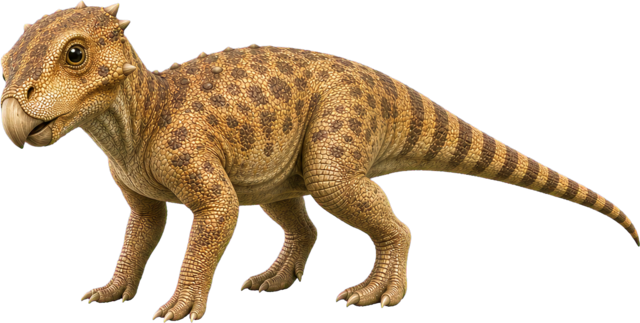
Aquilops
Aquilops was a small relative of horned dinosaurs, with a sharply curved beak at the front.
Read about this dinosaur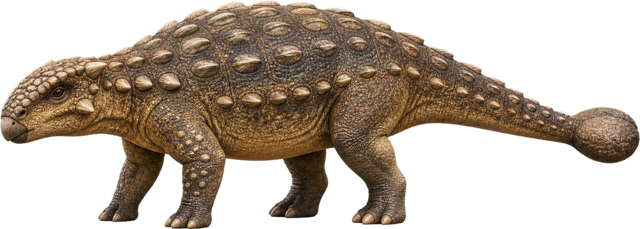
Cretaceous
Ankylosaurus
Ankylosaurus carried bony armor in its skin and a heavy club at the end of its tail.
Read about this dinosaur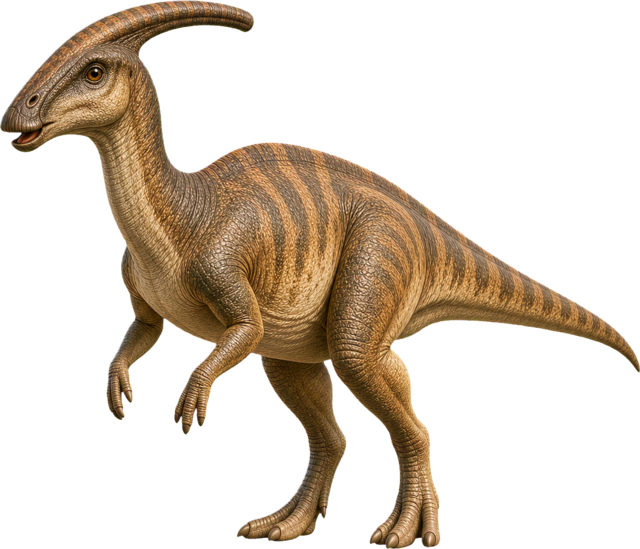
Cretaceous
Parasaurolophus
Parasaurolophus was a duck-billed dinosaur with a long hollow crest on its head.
Read about this dinosaur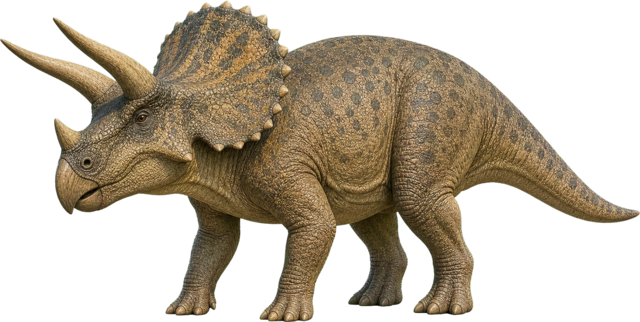
Cretaceous
Triceratops
Triceratops was a large plant eater with three horns, a neck frill, beak, and strong teeth.
Read about this dinosaurSources and review
How this page is checked
Names, periods, locations, diets, and size estimates are compared with museum and paleontology reference collections. Estimates are rounded and updated when the underlying content changes.
Last content review: June 22, 2026
Read our research method and sources