

Carnotaurus sastrei
Carnotaurus for kids
Carnotaurus was a fast meat eater with short horns, extremely small arms, and fossil skin impressions.
The essentials
What should you know about this dinosaur?
- Length: 8 m long
- Height: about 2.7 m tall
- Weight: about 1.5 tonnes
- Food: Meat eater
- Time: Cretaceous
- Region: Argentina
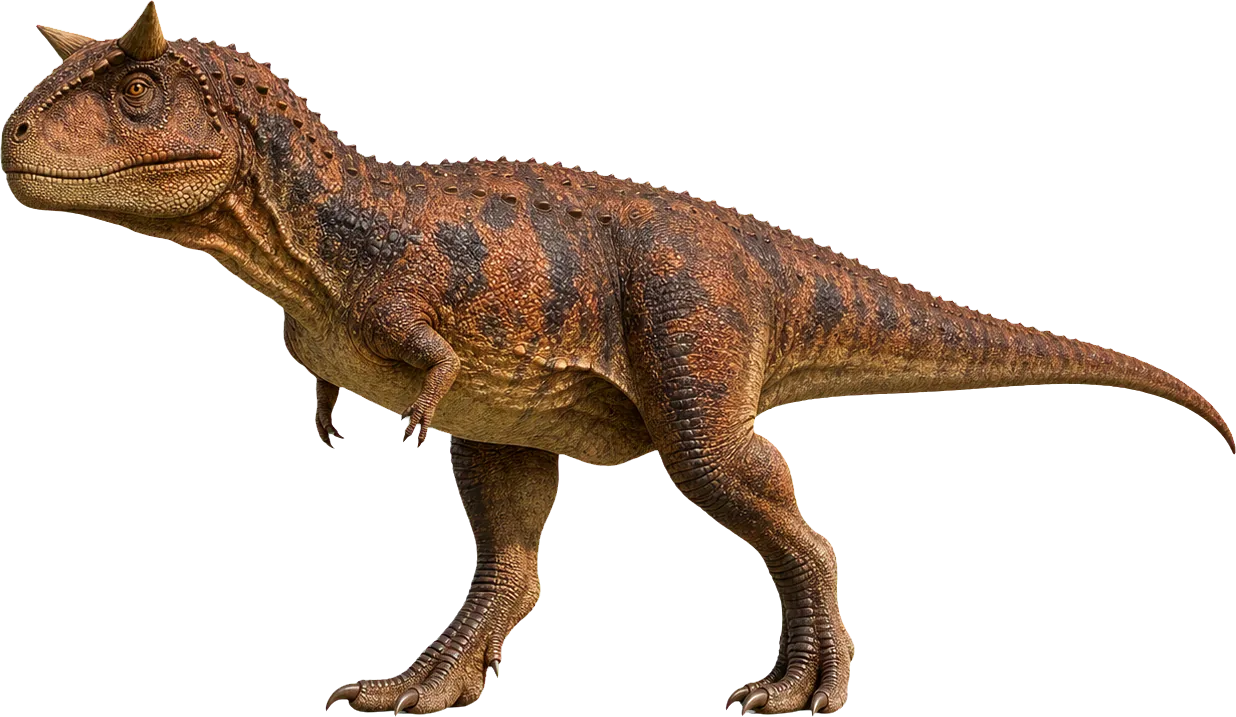
How large was Carnotaurus
The height line shows head and body. The eight-meter length runs through back, legs, and tail.
Compare in the toolLook a little closer
More about Carnotaurus
Short chapters for curious children and grown-ups who want to read along.
Carnotaurus
Carnotaurus looks as if a predatory dinosaur got bull horns. Two short, thick horns sat above the eyes, the skull was deep, and the arms were almost unbelievably small. This meat eater lived in Argentina near the end of the Cretaceous. Fossils even preserve scaly skin impressions. The name means meat-eating bull. Carnotaurus is worth a double look: horns in front, power tail behind, tiny arms in between.
Size
Carnotaurus was about eight meters long. It was not the longest predator, but its outline is instantly strong: deep skull, short horns, long legs, very small arms. The body was fairly light for its length, with power in the hips and tail. From the side, it feels like a Cretaceous sprinter rather than a heavy bone crusher.
8 m long2.7 m talldeep skull
Food
Carnotaurus hunted in a world of South American dinosaurs. Small and medium animals, young sauropods, or weakened plant eaters fit a predator with a quick body and strong head. Its teeth were not giant T-Rex teeth, but they sat in jaws that could snap fast. This dinosaur leaned on speed and surprise, not big arms.
meat eaterquick jawssouthern Cretaceous
Habitat
Carnotaurus comes from Argentina, from rocks of the Late Cretaceous. Its world was far from the famous North American T-Rex lands. Rivers, open areas, and different animal communities filled the region. Part of its magic: southern predators evolved their own shapes, with horns, a short deep face, and arms reduced almost to nothing.
ArgentinaLate CretaceousSouthern Hemisphere
Protection
The horns of Carnotaurus sat above the eyes and made the head unforgettable. They were not long spears like Triceratops horns. Together with the deep skull, they could help with display, pushing, or recognizing its own kind. The arms added very little; they were tiny. Carnotaurus put the memorable gear on the head and in the running body.
short hornstiny armsdeep head
Movement
Carnotaurus had a powerful tail with large muscle attachments. That tail helped pull the legs and made quick steps possible. The hind legs were long, while the arms mattered little for running. When this dinosaur moved out, power came from hips, thighs, and tail. It is one of the clearest sprinting shapes among big meat eaters.
powerful taillong legsquick runner
Did you know?
Carnotaurus preserves skin impressions, and those impressions show scales. Those impressions are fossil treasure, because many dinosaurs are known mostly from bones. Here the bull dinosaur gets a real surface: not just horns and skeleton, but skin texture. Add the tiny arms, and you get a predator no other big hunter can simply copy.
skin impressionsscalesmeat-eating bull
about 2.7 m tall
Beside a child, Carnotaurus shows a strange mix: head roughly house-tall, body long like a small bus, horns over the eyes, and arms that almost disappear. The height is big, but the outline is the real attention-grabber.
Keep reading
Related dinosaurs
Cretaceous
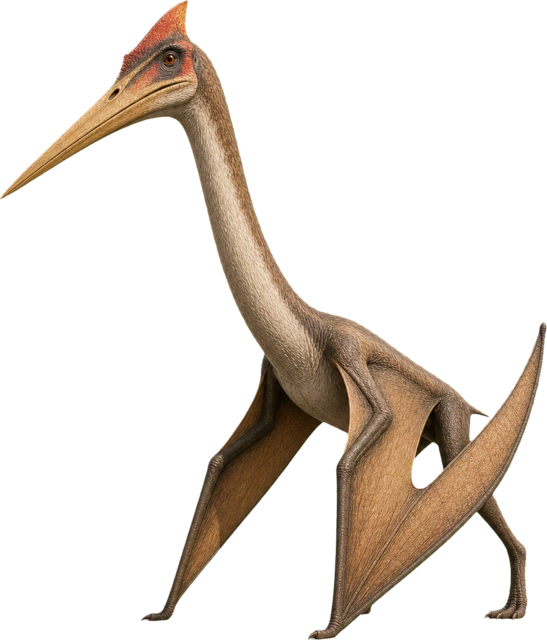
Quetzalcoatlus
Quetzalcoatlus was a giant pterosaur, not a dinosaur, with a long neck and enormous wingspan.
Read about this dinosaur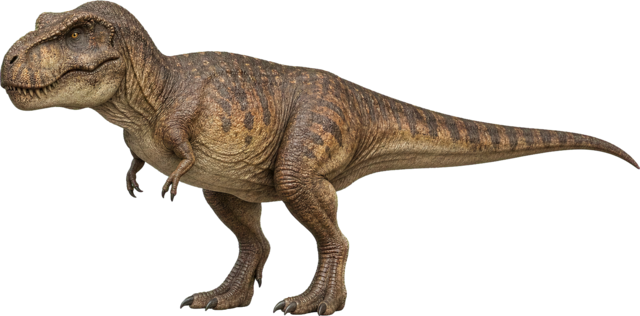
Cretaceous
Tyrannosaurus rex
Tyrannosaurus rex was a huge meat eater with an enormous head, powerful teeth, and short arms.
Read about this dinosaur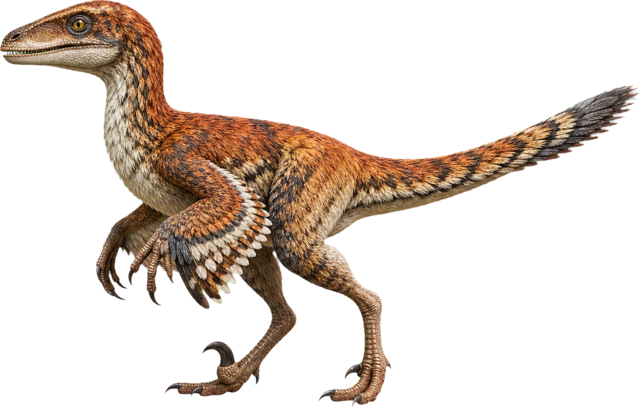
Cretaceous
Deinonychus
Deinonychus was a feathered raptor relative with a large sickle claw on each second toe.
Read about this dinosaur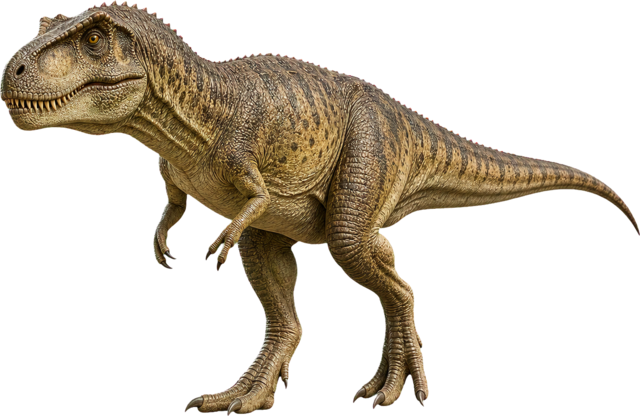
Cretaceous
Giganotosaurus
Giganotosaurus was a huge meat eater from Patagonia, with a long skull and blade-like teeth.
Read about this dinosaurSources and review
How this page is checked
Names, periods, locations, diets, and size estimates are compared with museum and paleontology reference collections. Estimates are rounded and updated when the underlying content changes.
Last content review: June 22, 2026
Read our research method and sources