

Giganotosaurus carolinii
Giganotosaurus for kids
Giganotosaurus was a huge meat eater from Patagonia, with a long skull and blade-like teeth.
The essentials
What should you know about this dinosaur?
- Length: 13 m long
- Height: about 3.7 m tall
- Weight: about 8 tonnes
- Food: Meat eater
- Time: Cretaceous
- Region: Patagonia
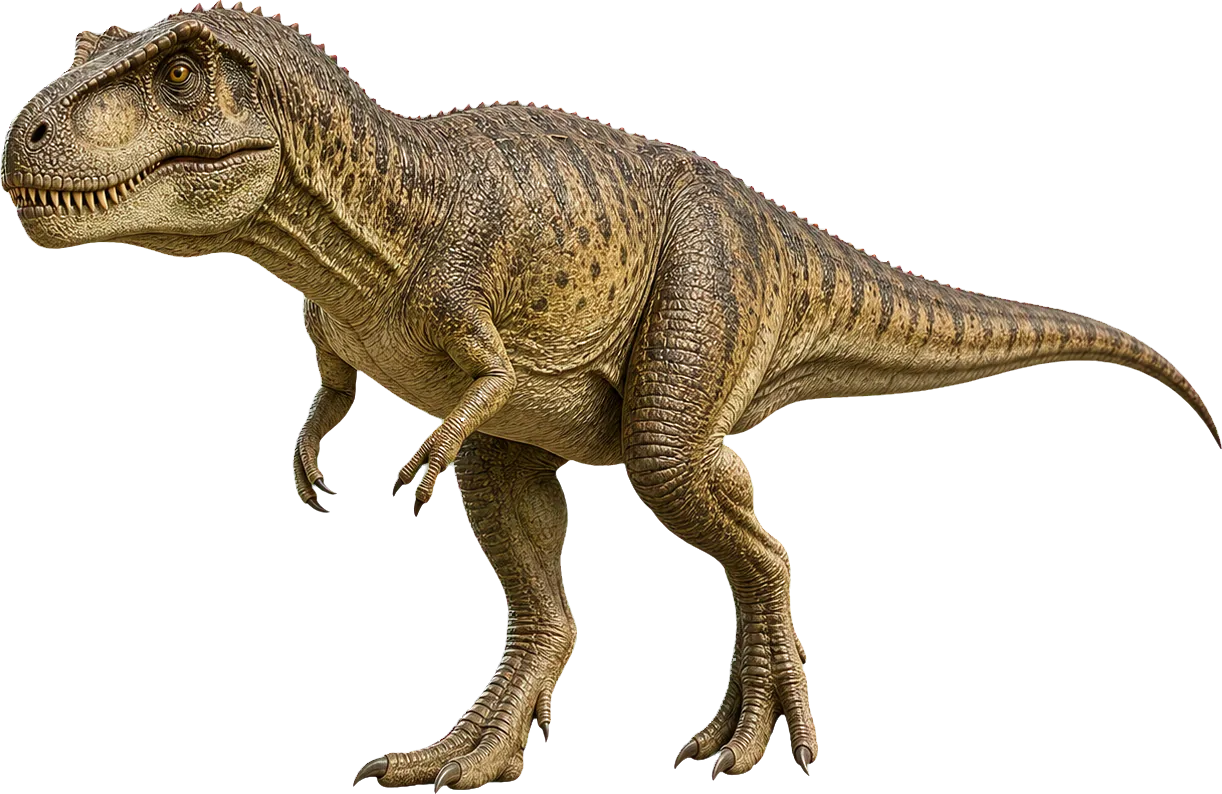
How large was Giganotosaurus
The height line shows the standing body. Full length comes from skull, back, and long tail.
Compare in the toolLook a little closer
More about Giganotosaurus
Short chapters for curious children and grown-ups who want to read along.
Giganotosaurus
Giganotosaurus lived in Patagonia, in what is now Argentina. It was one of the largest meat-eating dinosaurs, but it was not T-Rex with a different name. It belonged to another predator family, the carcharodontosaurids. The skull was long, and the teeth were like blades with serrated edges. Giant sauropods lived in its world too. Giganotosaurus feels like its own South American giant of the Cretaceous.
Size
Giganotosaurus was about thirteen meters long. Longer than many school buses. It stood several meters high, but the long skull and long tail make the outline special. It was large enough for every body part to feel heavy: head, hips, legs, tail. Even so, its shape differed from T-Rex, less blocky and more stretched.
13 m long3.7 m tallhuge theropod
Food
Giganotosaurus ate meat. Its teeth were narrow from side to side and blade-like, good for slicing. Patagonia held enormous plant eaters, including sauropods, plus smaller animals. A predator this size needed big meals and many chances. The teeth say a lot: not thick cracking teeth, but sharp edges for a different hunting style from T-Rex.
meat eaterblade teethsauropod world
Habitat
Giganotosaurus fossils come from the Candeleros Formation in Patagonia. This Cretaceous landscape had rivers, plains, and an animal community unlike North America. Instead of Triceratops and Edmontosaurus, we meet southern dinosaurs, including gigantic long-necks. The place matters: Giganotosaurus was a top predator in its own southern dinosaur world.
PatagoniaCandeleros FormationCretaceous
Protection
Giganotosaurus had no horns and no armor. Its strength sat in size, reach, and teeth. The long skull put the jaws far forward. The arms were smaller than the legs, but they were not the main event. With an animal like this, the whole body matters: hind legs carry, tail balances, head and teeth do the predator work.
long skullstrong legsno armor
Movement
Giganotosaurus walked on two legs. The long tail balanced the body while the large head reached forward. An animal this size did not move like a little raptor. Every step had to carry enormous weight. Still, the two-legged build is amazing: many tonnes, balanced well enough to travel through Cretaceous land on two feet.
two-leggedlong tailheavy body
Did you know?
Giganotosaurus means giant southern lizard. The name fits because the fossils come from southern South America, and the dinosaur was truly huge. People love asking which meat eater was biggest. Even cooler is its own identity: Patagonia, blade teeth, long skull, and giant sauropods in the same world.
giant southern lizardPatagoniadifferent predator family
about 3.7 m tall
Beside a child, Giganotosaurus is a long, tall predator with a lot of head in front of the body. It feels different from T-Rex: longer skull, long tail, and a southern giant shape of its own.
Keep reading
Related dinosaurs
Cretaceous
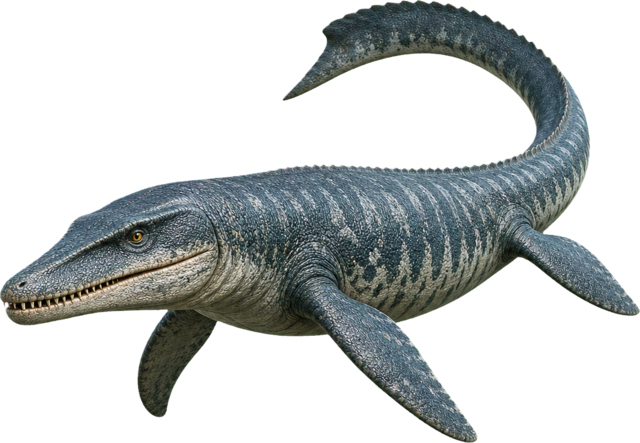
Mosasaurus
Mosasaurus was not a dinosaur, but a giant marine lizard with flippers, a powerful tail, and cone teeth.
Read about this dinosaur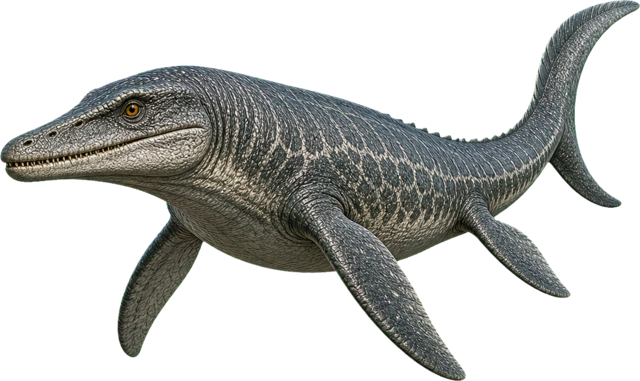
Cretaceous
Tylosaurus
Tylosaurus was a large mosasaur, not a dinosaur, with flippers, a strong tail, and a bony snout.
Read about this dinosaur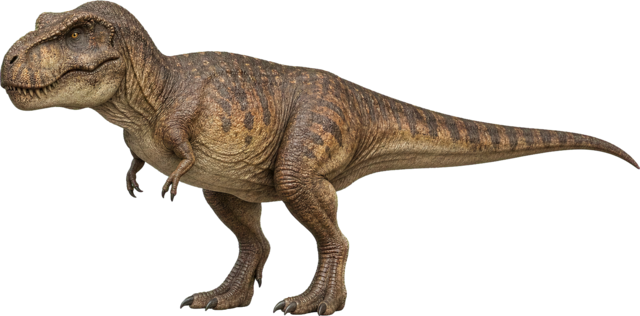
Cretaceous
Tyrannosaurus rex
Tyrannosaurus rex was a huge meat eater with an enormous head, powerful teeth, and short arms.
Read about this dinosaur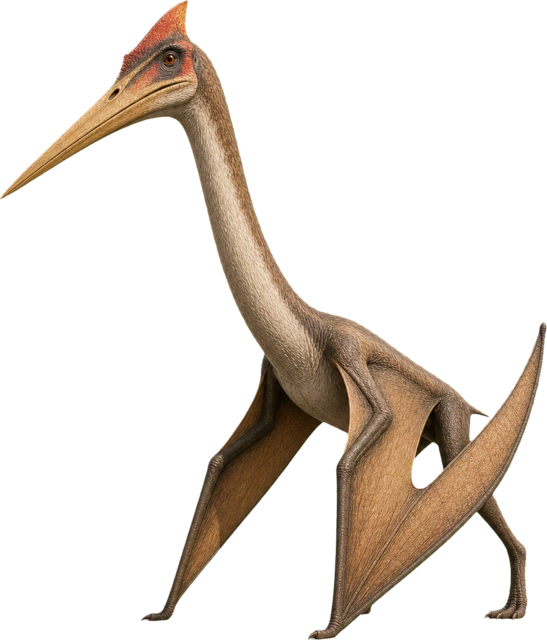
Cretaceous
Quetzalcoatlus
Quetzalcoatlus was a giant pterosaur, not a dinosaur, with a long neck and enormous wingspan.
Read about this dinosaurSources and review
How this page is checked
Names, periods, locations, diets, and size estimates are compared with museum and paleontology reference collections. Estimates are rounded and updated when the underlying content changes.
Last content review: June 22, 2026
Read our research method and sources