

Diplodocus longus
Diplodocus for kids
Diplodocus was a very long, slender sauropod with peg-like teeth and a whip-like tail.
The essentials
What should you know about this dinosaur?
- Length: 26 m long
- Height: 4.5 m tall
- Weight: about 15 tonnes
- Food: Plant eater
- Time: Jurassic
- Region: North America
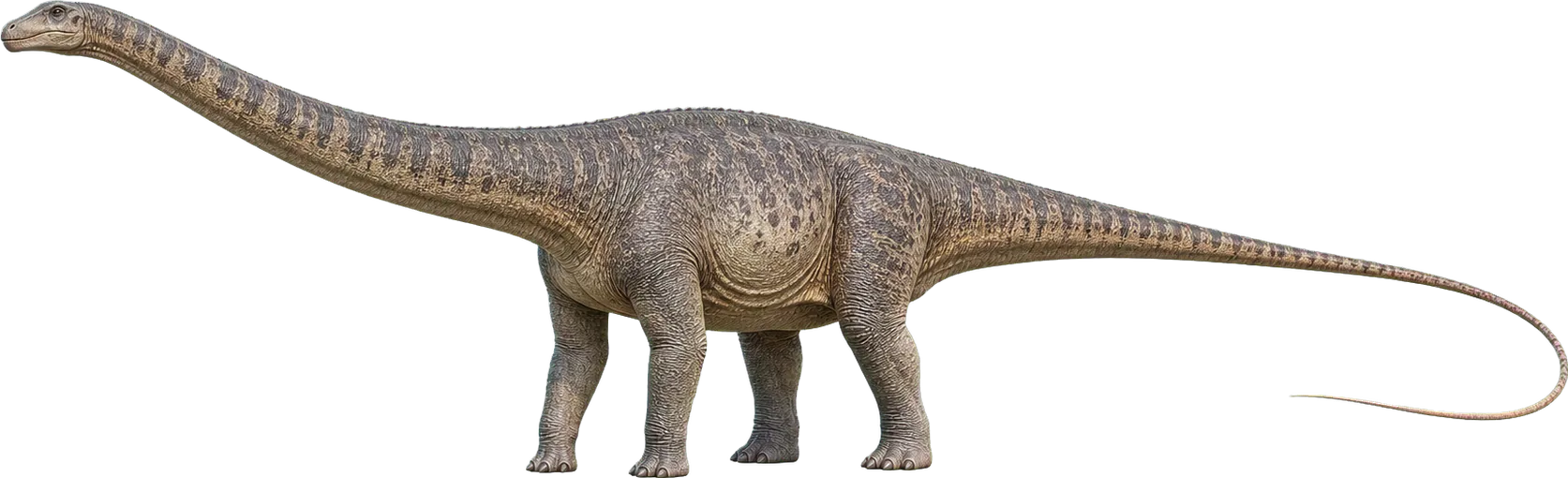
How large was Diplodocus
The height line shows the standing body. The enormous length comes from the stretched neck and long tail.
Compare in the toolLook a little closer
More about Diplodocus
Short chapters for curious children and grown-ups who want to read along.
Diplodocus
Diplodocus is the long-neck whose length feels almost outrageous. Neck forward, tail far back, with a fairly slender body between four legs. Its name means double beam, from special bones under the tail. It lived in the Late Jurassic Morrison Formation. The teeth sat like little pegs at the front of the mouth. Diplodocus was no branch crusher; it was a giant plant plucker with one of the most famous dinosaur outlines ever.
Size
Diplodocus was about twenty-six meters long. Enormous, but the body was slimmer than Apatosaurus. Much of the length came from neck and tail. The legs held the trunk like four supports while the tail tapered far behind. If you draw the outline, you need space on both sides: Diplodocus is almost more line than mountain.
26 m long4.5 m tallvery slender
Food
Diplodocus ate plants with teeth shaped more like little pegs or a comb. They sat at the front of the mouth and could strip leaves or softer plants. Grinding thick branches was not its style. Then the plant material moved into a huge gut. With Diplodocus, feeding is head-and-belly work: pluck up front, process inside.
plant eaterpeg teethsoft plants
Habitat
Diplodocus lived in North America in the Morrison Formation. It shared the land with Stegosaurus, Allosaurus, Apatosaurus, and many more animals. Rivers, planty places, and open areas shifted across the landscape. A long plant eater could reach food at different levels and move through the land differently from heavier sauropods.
Morrison FormationLate JurassicNorth America
Defense
Diplodocus had no horns and no armor. Its distance tool was the extremely long tail. It thinned behind the body and reminded predators that the animal kept going for a long way. Size helped too. A grown Diplodocus was not an easy target. Around Allosaurus and other hunters, mass, herd life, alertness, and that unbelievable tail all mattered.
long tailhuge sizeno armor
Speed
When Diplodocus walked, it had to balance a very long body. The neck stretched forward, the tail stretched back, and the four legs supported the middle. Many reconstructions hold the neck more forward than straight up. Diplodocus feels like a living bridge over the ground: long, calm, and surprisingly elegant.
four legslong neckbalance
Did you know?
Diplodocus means double beam. The name points to special bones on the underside of the tail that stood out when the animal was first described. A wonderfully nerdy name: not head, not teeth, but tail bones give the title. Diplodocus also became famous through Dippy, a skeleton cast shown in many museums.
double beamtail bonesfamous Dippy
about 4.5 m tall
Beside a child, Diplodocus is all about length. The height is large, but neck and tail keep stretching much farther. You need almost the whole screen to see this slender Jurassic giant.
Keep reading
Related dinosaurs
Jurassic
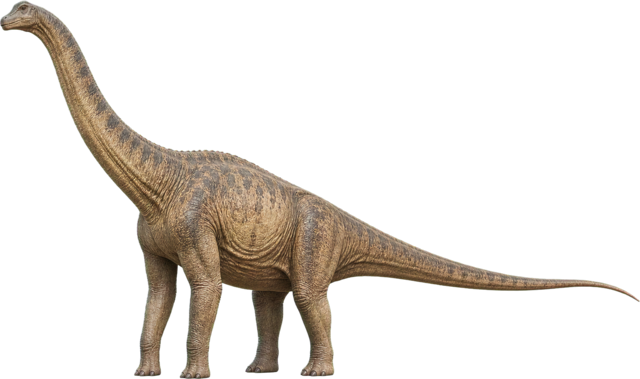
Brachiosaurus
Brachiosaurus was a huge sauropod with longer front legs and shoulders that rose very high.
Read about this dinosaur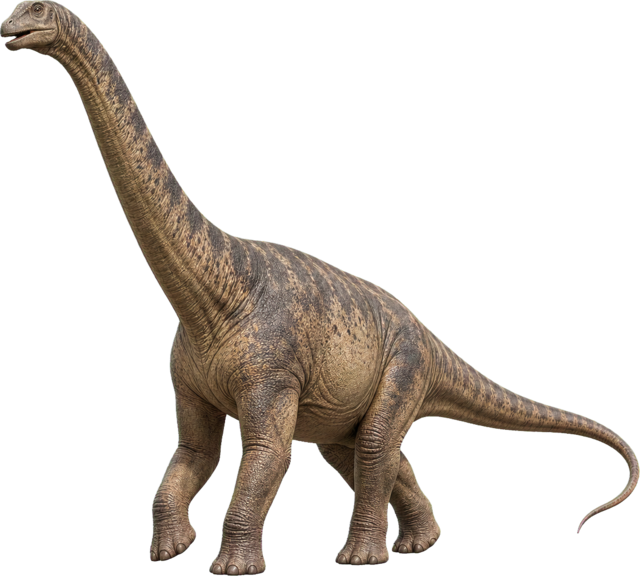
Jurassic
Apatosaurus
Apatosaurus was a robust Jurassic long-neck, much heavier-looking than the slimmer Diplodocus.
Read about this dinosaur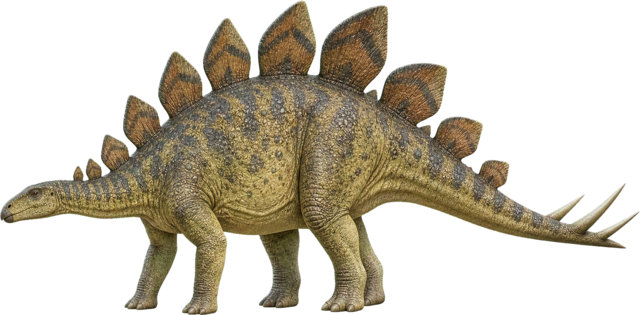
Jurassic
Stegosaurus
Stegosaurus was a plant eater with large back plates, a small head, and serious tail spikes.
Read about this dinosaur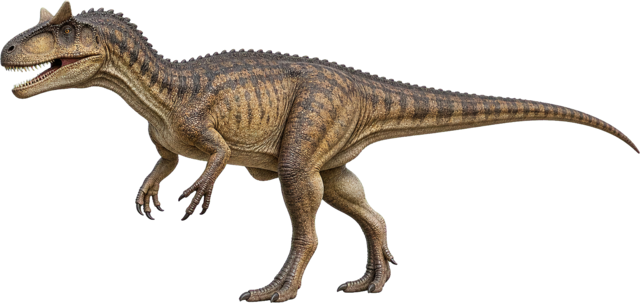
Jurassic
Allosaurus
Allosaurus was a big Jurassic predator with small brow horns, three-fingered hands, and teeth with saw-like edges.
Read about this dinosaurSources and review
How this page is checked
Names, periods, locations, diets, and size estimates are compared with museum and paleontology reference collections. Estimates are rounded and updated when the underlying content changes.
Last content review: June 22, 2026
Read our research method and sources